
Navigating the world of home financing can be particularly daunting for first-time home buyers, especially in a competitive market like Walnut Creek. Understanding the conventional loan requirements is crucial, as these loans often provide favorable terms and lower interest rates for eligible borrowers. This article delves into the key aspects of conventional loan requirements, including credit scores, down payments, essential documentation, and acceptable debt-to-income ratios. By grasping these requirements, first-time buyers can better prepare themselves for the mortgage application process, significantly improving their chances of securing financing. We will explore vital information on credit scores, down payment options, necessary documentation, and the significance of debt-to-income ratios, along with how each element contributes to the overall qualification for a conventional loan.
What Credit Score Is Required for Conventional Loans for First-Time Home Buyers in Walnut Creek?
To qualify for a conventional loan in Walnut Creek, first-time home buyers typically need a credit score of at least 620. A higher score not only boosts the chances of loan approval but can also result in a lower interest rate, ultimately saving borrowers money over the life of the loan. Credit scores reflect a borrower’s creditworthiness based on their credit history, which encompasses payment history, amount owed, length of credit history, new credit inquiries, and types of credit used.
Minimum Credit Score Standards and Their Impact on Loan Qualification
The minimum credit score standard for a conventional loan is 620, though many lenders prefer scores above this threshold. Scores below 620 can lead to denials or higher fees. For example, borrowers with scores around 740 may secure lower interest rates compared to their counterparts with lower scores. Thus, understanding how these standards function can influence financial decisions and improve outcomes when applying for a mortgage.
Strategies to Improve Credit Scores Before Applying
Improving a credit score is essential for obtaining favorable loan terms. Regularly paying bills on time is one of the most effective strategies, as timely payments significantly impact credit scores. Reducing existing debts, especially high credit card balances, can also enhance credit utilization ratios. Additionally, checking credit reports for errors and disputing them can lead to score improvement, making a considerable difference during the loan qualification process.
How Much Down Payment Is Needed for Conventional Mortgage Financing in Walnut Creek?
The down payment requirements for conventional loans can vary, but buyers often need to provide a down payment of at least 3% to 5%. However, higher down payments can provide better loan terms and eliminate the need for private mortgage insurance (PMI). Many first-time buyers may struggle with these amounts, which is where down payment assistance programs come into play.
Standard Down Payment Percentages and Exceptions for First-Time Buyers

Standard down payment percentages for conventional loans typically range from 3% to 20%. First-time home buyers may take advantage of specific programs that allow for down payments as low as 3%. These lower percentages can alleviate the financial burden on new buyers, helping them enter the housing market more easily.
Available Down Payment Assistance Programs and Their Eligibility
Assistance programs are available specifically for first-time home buyers seeking to cover down payments. These programs can take various forms, such as grants or second mortgages, designed to help bridge the gap for those who may struggle to save for a substantial down payment. Eligibility criteria usually depend on income limits, credit scores, and residency requirements, so it is essential for buyers to research their options based on their individual situations.
For those seeking assistance in Walnut Creek, Munshi Capital Inc. offers tailored mortgage services, ensuring first-time home buyers understand their options and can access necessary resources effectively.
Which Documents Are Essential for Conventional Loan Approval in Walnut Creek?
Documentation plays a vital role in securing a conventional loan. Lenders require specific documents to validate a borrower’s identity, income, and financial history. Understanding these requirements can alleviate potential stress during the application process.
Comprehensive Documentation Checklist for Mortgage Applications
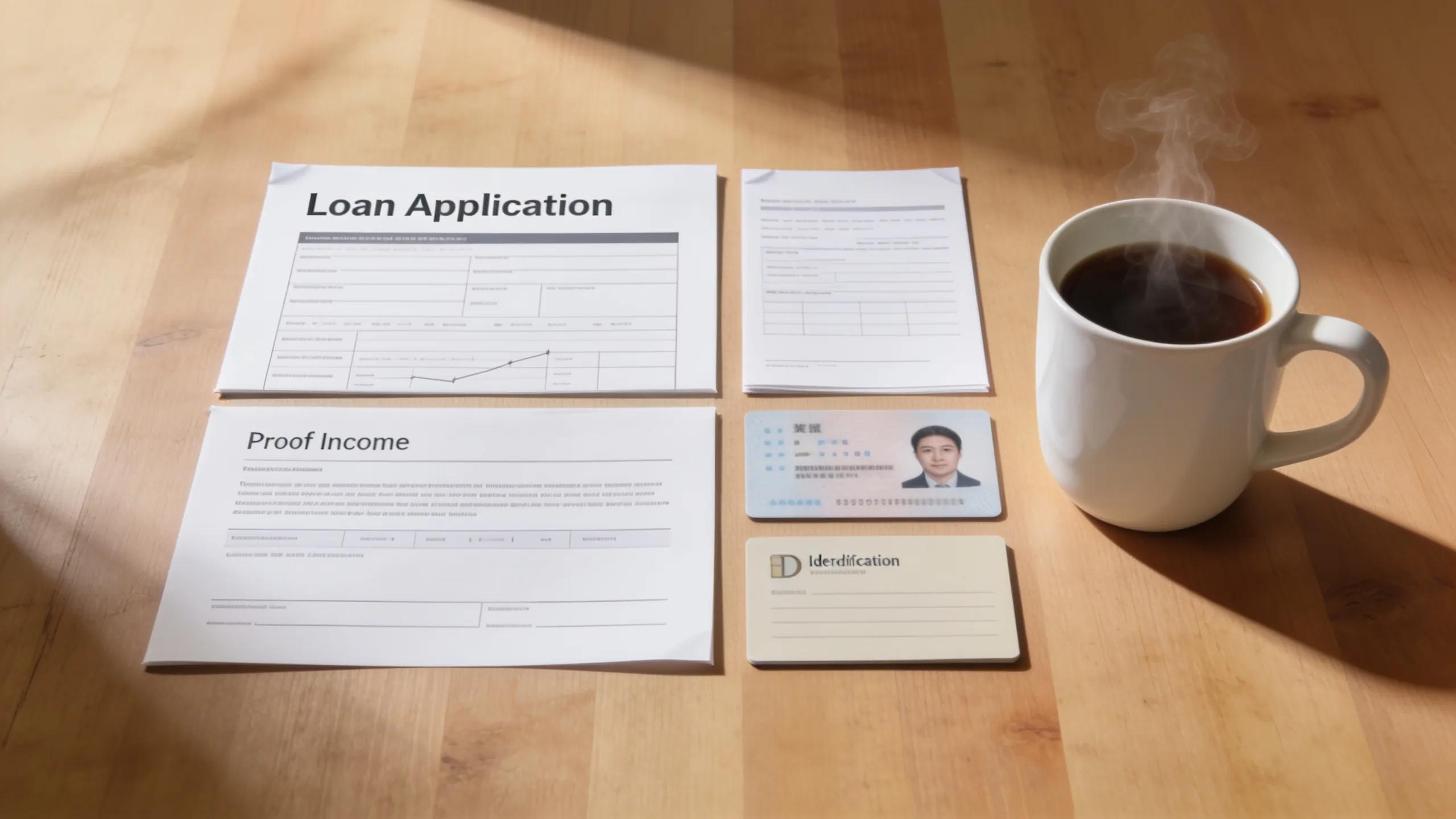
To ensure a seamless application process, first-time home buyers should gather the following essential documents:
- Proof of Income: Recent pay stubs, W-2 forms, or tax returns for self-employed individuals
- Credit History: Authorization for a credit report to assess the borrower’s credit
- Personal Identification: Government-issued ID or passport to verify identity
- Asset Statements: Bank statements and investment account statements to demonstrate sufficient funds for down payment and closing costs
Understanding Loan Verification and Validation Processes
Once submitted, lenders undertake a thorough verification process, analyzing the documentation provided. This process involves validating income, confirming employment, and assessing creditworthiness. Discrepancies found during verification may lead to delays or denials, emphasizing the importance of accuracy in documentation.
Understanding the rigorous frameworks behind mortgage origination helps illuminate why lenders place such high importance on thorough documentation and verification.
Mortgage Origination and Underwriting Compliance Frameworks
Mortgage origination and underwriting platforms operate within highly regulated, data intensive environments where accuracy, compliance assurance, and operational reliability are critical to institutional credibility and financial stability. This study addresses the persistent limitations of conventional quality assurance practices that remain fragmented, reactive, and insufficiently aligned with the end to end mortgage lifecycle. … quality assurance framework to ensure accuracy, regulatory compliance, and operational reliability across end-to-end mortgage origination and underwriting …, SC Vankayala, 2021
What Debt-to-Income Ratio Is Acceptable for Walnut Creek First-Time Home Buyers?
Debt-to-income (DTI) ratio is a crucial metric that lenders assess to determine a borrower’s ability to repay a loan. This ratio compares the borrower’s total monthly debts to their gross monthly income, providing insights into financial health and borrowing capacity.
Defining Debt-to-Income Ratio and Its Role in Loan Qualification
A DTI ratio under 43% is typically considered acceptable for conventional loan qualification, with many lenders preferring that the housing expenses (like mortgage payments) not exceed 28% of an individual’s gross monthly income. Lower ratios indicate a borrower’s strong financial profile, enhancing the likelihood of loan approval.
Improvement Techniques for Meeting DTI Requirements
To improve their DTI ratio, potential buyers can consider several strategies, including increasing their income through raises or additional work, paying down existing debts, and avoiding unnecessary new debt while in the application process. By managing financial commitments effectively, applicants can enhance their fiscal appeal to lenders.
In conclusion, understanding the conventional loan requirements and documentation needed by first-time home buyers in Walnut Creek can pave the way for a more manageable mortgage application process. By focusing on creditworthiness, down payments, essential documentation, and debt management, buyers can position themselves for success in securing the financing they need to buy their first home.
Leave a Reply