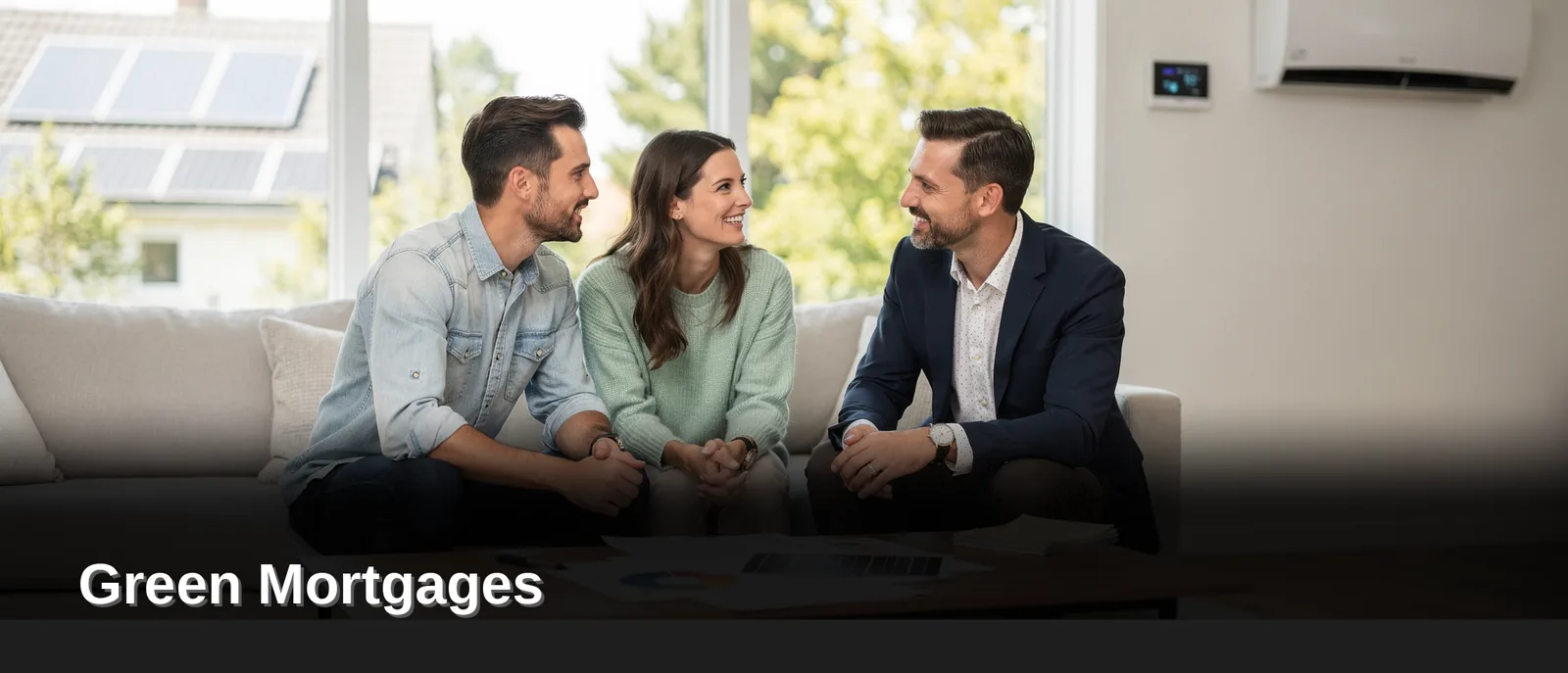
Energy efficient mortgage programs, including Freddie Mac’s GreenCHOICE Mortgage® and FHA/EPA-backed EEMs, roll the cost of clean energy upgrades, like solar panels or efficient windows, directly into one primary mortgage. Underwriting expands to account for projected utility savings, helping homeowners qualify for higher loan amounts while cutting monthly energy overhead through financing terms reaching up to 30 years.
Key Takeaways
- Energy Efficient Mortgages account for utility cost savings, improving long-term home affordability for borrowers nationwide.
- EEMs finance clean energy improvements like renewable installations and efficiency upgrades to existing homes.
- ENERGY STAR certified homes qualify for EEM programs, reducing monthly utility expenses significantly over time.
- Green mortgage programs lower homeowner costs while preserving affordability, supporting sustainable housing investments for families.
What Is an Energy Efficient Mortgage?
An energy efficient mortgage bundles the cost of clean energy upgrades, such as solar panels or new insulated windows, into a single primary home loan. The purchase or refinance happens in one transaction, with no second loan to track and no separate payment schedule to manage. This structure sits at the center of what the industry calls green mortgages: financing that treats efficiency upgrades as part of the home’s value, not an afterthought.
The savings do not stop at the utility bill. Many of these loans carry tax-deductible interest. Lenders expand their underwriting math to count the extra monthly cash flow that efficient homes generate. Lower energy costs free up income, and that freed-up income can translate into approval for a larger loan amount.
How does an energy efficient mortgage help homeowners qualify for more?
Lenders typically look at debt-to-income ratios using existing income alone. An energy efficient mortgage adjusts that math, factoring in the money a homeowner saves each month on heating, cooling, and electricity. That adjustment often opens the door to a higher loan limit than a standard mortgage would allow.
Munshi Capital Inc. builds financing around each borrower’s full financial picture, not a generic formula. Guidance runs through every loan program, with clear answers at each step rather than fine print discovered later.
Eco-friendly loans work best when transparency guides the process from application through closing. That principle drives every program Munshi Capital Inc. offers: honest communication, no hidden surprises, and a lending path homeowners can actually follow. Homeowners weighing an efficiency upgrade can request a direct cash offer or request your property assessment to see how the numbers apply to their situation.
Which Programs Qualify as Green Mortgages?
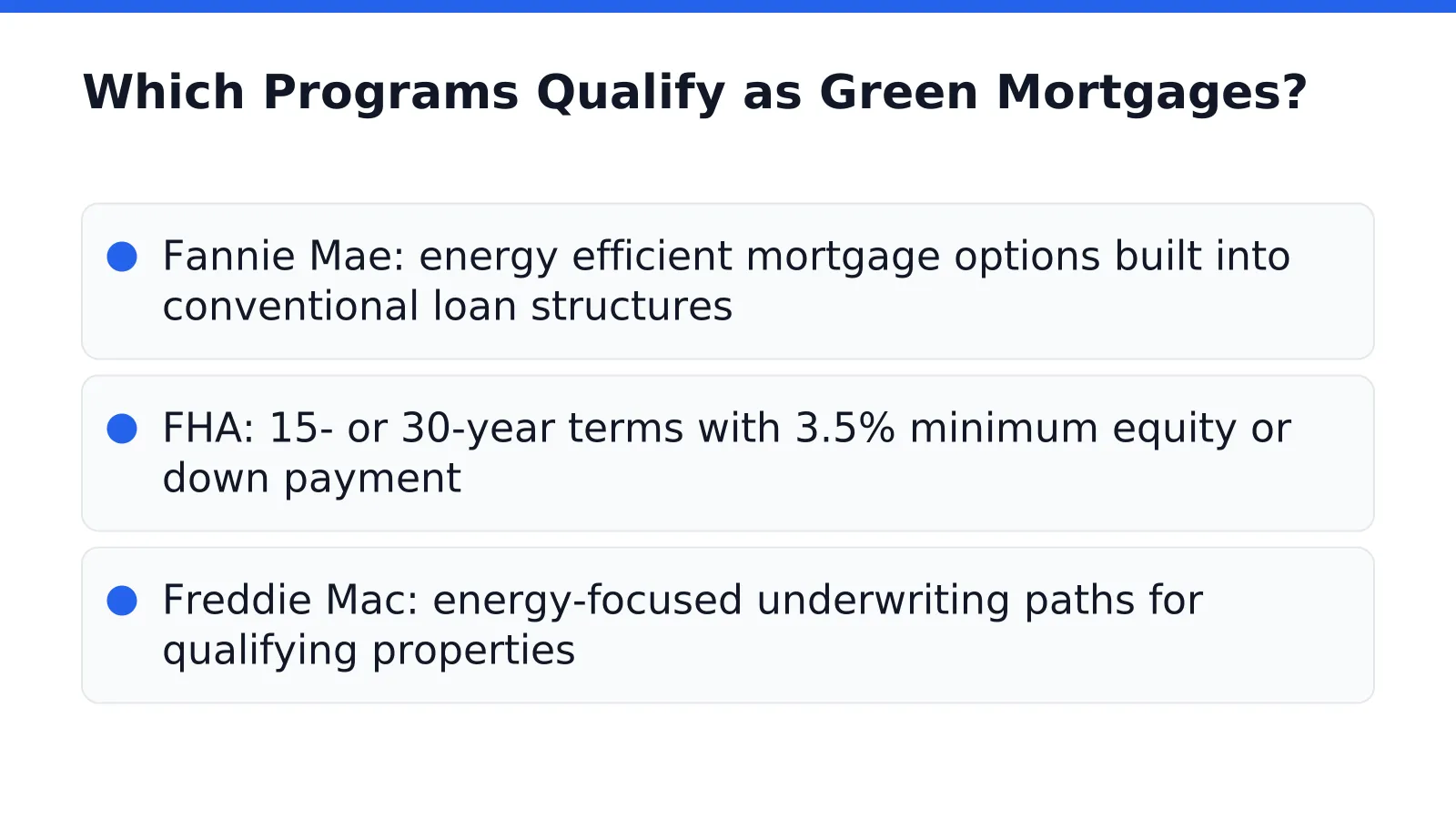
Qualification depends on the lender and loan type, not a single national standard. Fannie Mae, the FHA, and Freddie Mac each sponsor their own version of an energy efficient mortgage, giving homeowners multiple paths to financing tied to efficiency upgrades. These programs fall under the broader category of green mortgages, a financing structure built specifically around energy savings rather than standard home value alone.
What Makes a Mortgage “Energy Efficient”?
An energy efficient mortgage factors projected utility savings into the loan terms themselves. Instead of evaluating a home purely on purchase price, the lender accounts for lower monthly operating costs tied to upgrades like insulation, solar panels, or efficient windows. That calculation can translate into stronger borrowing power for homeowners who qualify.
The FHA offers one of the most accessible versions of this structure. Borrowers can access the FHA’s energy efficient mortgage program through a 15-year or 30-year FHA loan, provided they bring at least 3.5% home equity or a 3.5% down payment to the transaction.
Which Lenders and Loan Types Offer These Options?
Several programs serve different borrower situations:
- Fannie Mae: energy efficient mortgage options built into conventional loan structures
- FHA: 15- or 30-year terms with 3.5% minimum equity or down payment
- Freddie Mac: energy-focused underwriting paths for qualifying properties
Munshi Capital Inc. brings this same flexibility to its own lineup. Residential programs span FHA, VA, USDA, and bank statement loans, each matched to a borrower’s specific financial picture. For investors pursuing eco-friendly loans on rental or multi-unit properties, DSCR and hard money loan options provide additional financing routes outside conventional underwriting. Homeowners weighing an upgrade-driven purchase can request a direct cash offer to compare financing paths before committing to a program.

How Does Freddie Mac’s GreenCHOICE Program Work?
Freddie Mac’s GreenCHOICE framework rests on a simple premise: lower utility bills strengthen a household’s financial position. The program holds that reducing monthly energy costs helps families maintain long-term affordability, not just qualify for a loan on day one. That distinction matters for homeowners weighing an upgrade against a tight budget.
Structurally, the program works by folding energy improvements into financing that already fits a borrower’s situation. Rather than forcing applicants into a single niche loan type, GreenCHOICE allows green mortgages to apply across any mortgage product and property type, with terms stretching up to 30 years. That flexibility separates it from narrower efficiency programs tied to one loan category.
What Can Be Financed Under This Approach?
Coverage extends to a broad range of energy efficient upgrades rather than one fixed list of approved items. Insulation, efficient HVAC systems, updated windows, and renewable energy additions generally fall within scope. The program is built around improving a property’s overall efficiency profile.
Why Does Loan Term Length Matter Here?
Thirty-year terms spread the cost of efficiency upgrades across a longer repayment window. That structure keeps monthly payments manageable while utility savings accumulate over time.
For borrowers evaluating these options, execution matters as much as eligibility. Munshi Capital Inc. combines modern underwriting technology with hands-on loan specialists, producing fast pre-approvals and full visibility into loan status at every stage. An energy efficient mortgage loses its value if the process behind it is slow or opaque; pairing the flexibility of programs like GreenCHOICE with transparent, step-by-step guidance turns eco-friendly loans from a concept into a practical path toward lower housing costs. Homeowners ready to explore this path can request their property assessment to see how current equity and efficiency plans align.
What Qualifies a Home for Eco-Friendly Loans?
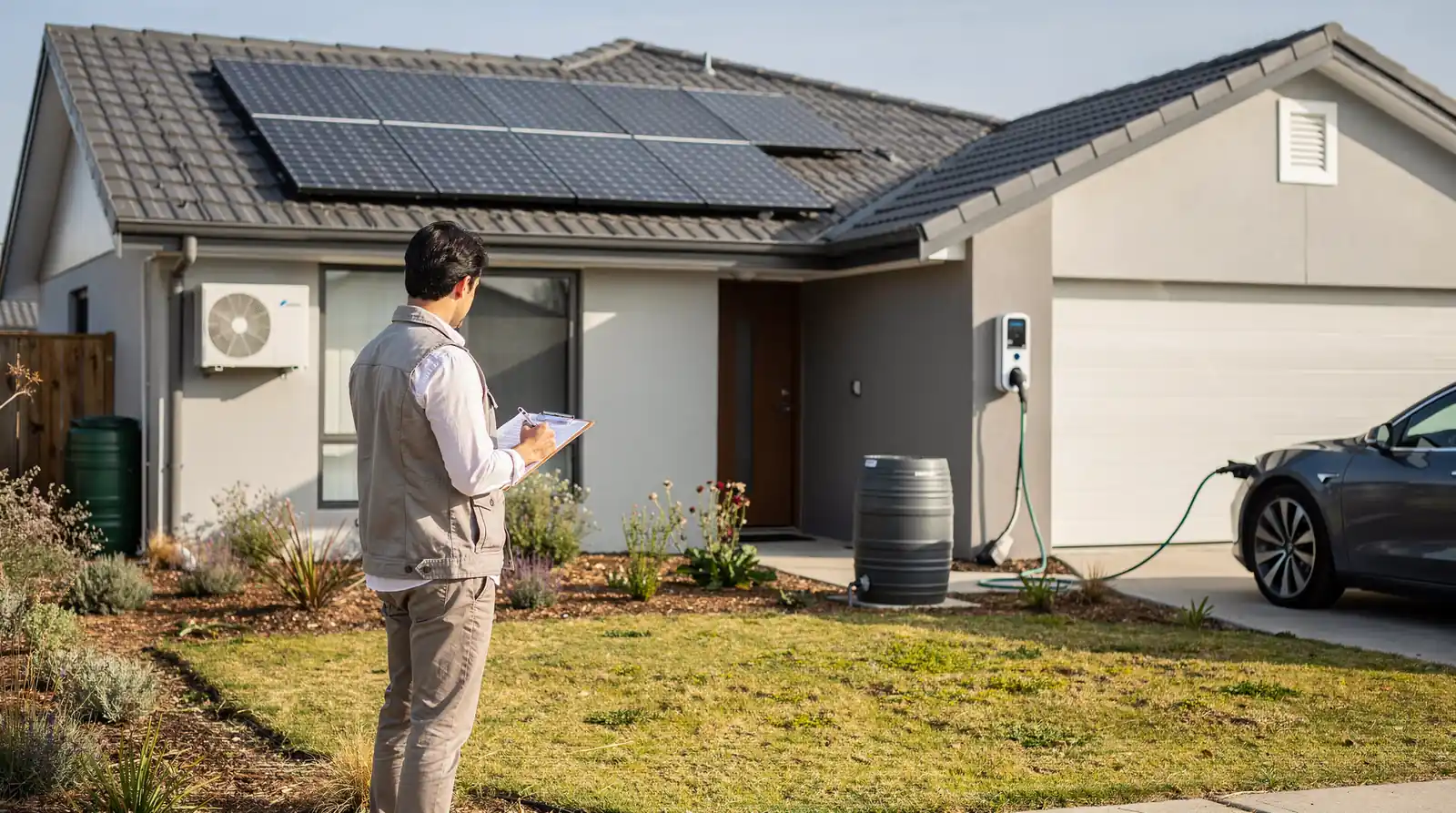
Qualification hinges on energy performance, not just property condition. An energy efficient mortgage finances two distinct scenarios: purchasing a home that already meets efficiency standards, such as an ENERGY STAR certified property, or funding upgrades to a less efficient existing home. Both paths fall under the broader category of green mortgages, which lenders structure around projected utility savings rather than appraisal value alone.
That distinction matters for monthly budgets. Lenders weigh the dollars a household saves on utility bills after efficiency improvements, then apply those savings to the loan terms. The result: better debt-to-income ratios and, in many cases, larger approved loan amounts than a standard mortgage would allow.
Does a home need an energy assessment first?
Yes. A home energy rater or other trained professional typically must complete a home energy assessment before financing gets approved. The rating establishes a baseline for projected savings, which underwriters then use to justify the adjusted qualifying terms.
What property types typically qualify?
Eligibility generally centers on efficiency status rather than architectural style:
- Homes already certified as energy efficient at purchase
- Existing homes undergoing qualifying efficiency improvements
- Properties with a completed energy rating or assessment on file
Borrowers exploring eco-friendly loans should expect documentation requirements beyond a standard mortgage application, since the rating drives the final terms.
Munshi Capital Inc. guides borrowers through a straightforward application, underwriting, and closing process with no hidden surprises, helping clients understand exactly how an energy assessment translates into loan terms. The team focuses on understanding each borrower’s financial picture. Property goals, delivering dependable service to homeowners nationwide who want lower utility overhead and stronger qualifying power. Homeowners ready to explore options can request your property assessment to see how efficiency upgrades affect loan eligibility.
Why Choose Munshi Capital for Green Financing?
Munshi Capital Inc. answers this question with a single standard: transparent, borrower-first guidance on every loan built around energy savings. Trust forms the foundation of the company’s approach to green mortgages. That foundation shows up in every conversation with a loan specialist.
Clarity drives the process from the first phone call. Honesty and a service-driven ethos guide each recommendation, whether a homeowner needs an energy efficient mortgage for a retrofit or a buyer wants eco-friendly loans tied to a new purchase. Munshi Capital treats every borrower’s financial picture as unique, not a template to fill.
The lending team serves a wide range of borrowers under one roof:
- First-time homebuyers exploring energy-saving upgrades for the first time
- Repeat buyers refinancing into greener homes
- Seasoned investors weighing efficiency improvements across multiple properties
What makes Munshi Capital’s green financing process different?
Munshi Capital pairs borrower-first transparency with a lending team that explains each step in plain language. No confusing jargon clouds the application, underwriting, or closing stages. Speed matters, too, since delays cost homeowners money on the very utility bills they’re trying to lower.
Does Munshi Capital work with first-time buyers on green loans?
Yes. The company’s loan programs stretch from first-time homebuyers to seasoned investors, with guidance tailored to each financial picture. A first-time buyer pursuing an efficient home receives the same clarity and honesty as an investor refinancing a multi-property portfolio.
Homeowners ready to move forward on a purchase or refinance tied to efficiency upgrades can request a direct cash offer. Those still comparing options can request your property assessment to see how energy improvements affect qualifying loan terms.
FAQ
What is an energy efficient mortgage?
An energy efficient mortgage bundles clean energy upgrades, like solar panels or efficient windows, into one primary home loan. Underwriting accounts for projected utility savings, helping homeowners qualify for higher loan amounts with terms reaching up to 30 years.
How does an energy efficient mortgage increase borrowing power?
Lenders factor in the money homeowners save each month on heating, cooling, and electricity, adjusting debt-to-income calculations beyond existing income alone. This adjustment often opens the door to a higher loan limit than a standard mortgage allows.
Which lenders sponsor green mortgage programs?
Fannie Mae, the FHA, and Freddie Mac each sponsor their own version of an energy efficient mortgage, including Freddie Mac’s GreenCHOICE Mortgage® and FHA/EPA-backed EEMs. Munshi Capital Inc. guides borrowers through these programs with clear, transparent communication at every step.
Conclusion
In closing, energy-efficient and green mortgage programs represent a meaningful opportunity for borrowers seeking to align financial decisions with environmental responsibility while capturing long-term savings. Understanding these specialized loan options, from energy-efficient mortgages that account for utility cost reductions to green financing initiatives, empowers homebuyers and investors to make informed choices. Munshi Capital Inc. stands ready to guide you through the full spectrum of mortgage solutions tailored to your unique financial circumstances, ensuring transparent communication and dependable service as you pursue sustainable homeownership or investment objectives.
Leave a Reply