
Selling a home can often feel overwhelming, especially when navigating the financial implications involved. Understanding the differences between “cash home buyers” and traditional real estate agents is essential for homeowners looking to maximize their profits. This article offers a comprehensive fee savings and net proceeds comparison, aimed at helping sellers make informed decisions. Homeowners frequently face the dilemma of choosing between the speed, ease, and low costs associated with cash buyers versus the potential benefits of traditional sales through agents. We delve into various factors like fees and commissions, the impact of necessary repairs, closing times, and the overall certainty and transparency each method provides.
In the following sections, we will explore typical costs, potential savings, and the overall financial outcomes associated with selling a property via cash buyers compared to traditional avenues.
Fees and Commissions
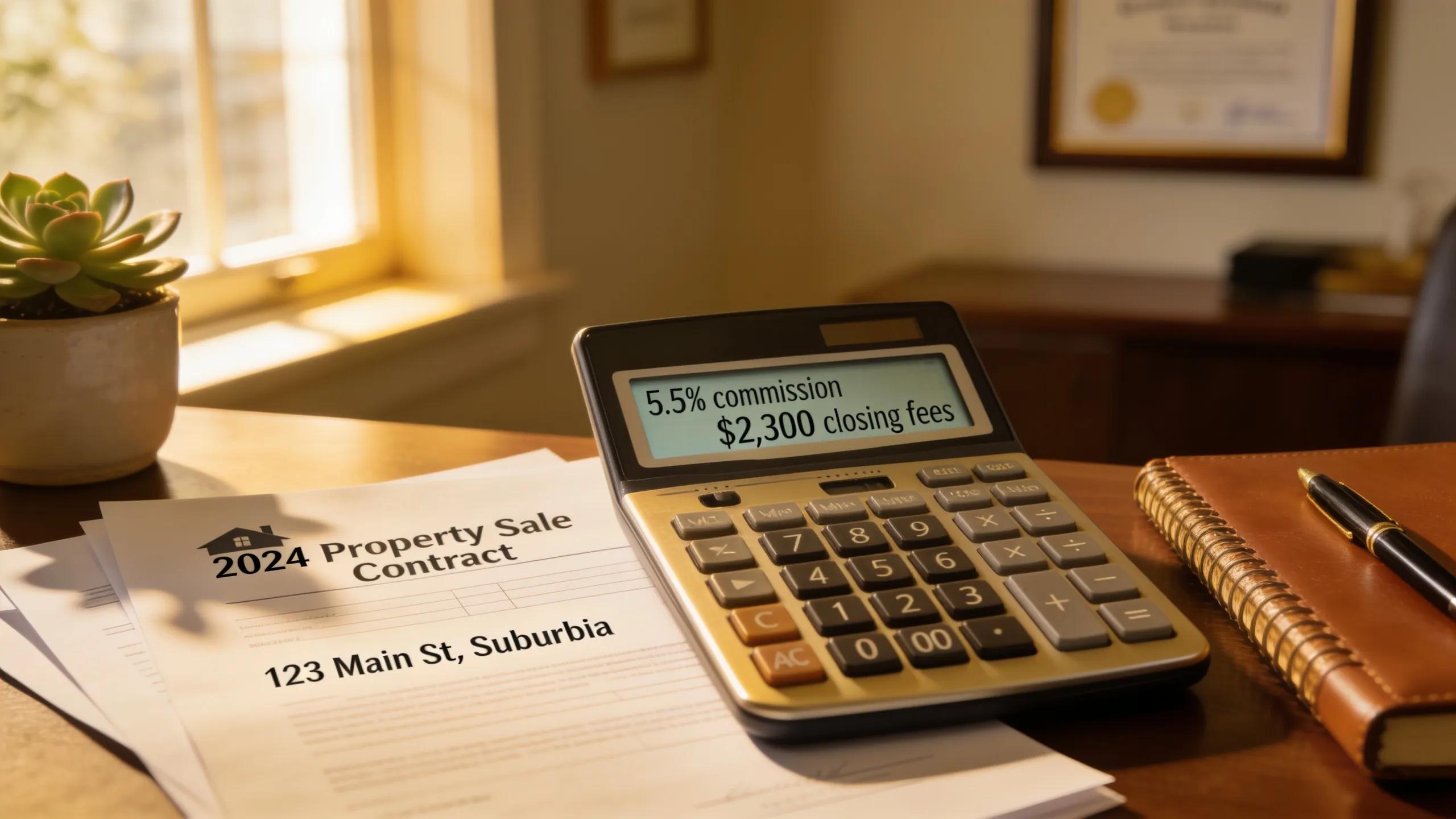
Understanding the fees and commissions involved in selling a home is crucial for homeowners aiming to optimize their financial return. Traditional “real estate agents” typically charge commissions that can range from 5% to 6% of the home’s sale price. In contrast, cash home buyers do not impose such commissions or hidden fees. As a result, the overall cost of selling to cash buyers is often significantly lower, directly impacting sellers’ net proceeds.
This stark difference in commission structures highlights the financial burden that comes with traditional sales versus the streamlined process offered by cash buyers.
Repairs and Cleaning
When selling a home, sellers often incur additional costs related to necessary repairs, cleaning, and renovations. Traditional sales usually require homes to be in show-ready condition, leading to potential expenses that can add up quickly. Cash home buyers, however, commonly purchase properties as-is, allowing sellers to bypass the costly repairs and cleaning processes. This not only saves money but also reduces the stress and time spent preparing a home for sale.
Consequently, opting for a cash buyer can provide a hassle-free experience, highlighting the appeal for homeowners looking to “sell quickly” without additional responsibilities.
Closing Timeline

The timeline for closing a sale can significantly vary between cash buyers and traditional real estate agents. While traditional sales may take months due to various factors such as inspections, financing approvals, and negotiations, cash buyers can often close transactions within a week. This rapid turnaround is especially beneficial for sellers facing time-sensitive situations, such as relocations or financial hardships.
The speed of cash transactions not only alleviates sellers’ anxieties but also empowers them to make swift decisions, further distinguishing cash home buyers from the traditional route.
Certainty and Transparency
One of the key advantages of cash buyers lies in the certainty and transparency they offer throughout the selling process. Cash home buyers provide clear offers without obligations, eliminating unexpected deductions that often arise during traditional sales due to hidden fees or buyer demands. This clarity allows sellers to understand precisely what they will receive from the sale of their property.
In contrast, traditional real estate processes tend to involve many variables, adding an element of uncertainty for sellers. The peace of mind accompanying a straightforward cash offer can be invaluable for many homeowners.
What Are the Commission Costs When Selling Through Traditional Real Estate Agents?
When selling through traditional real estate agents, it is important to consider the commission costs and additional expenses that may arise. On average, the total commission can significantly erode the proceeds of a sale.
How Are Real Estate Agent Commissions Calculated and What Is the Average Percentage?
Agent commissions are typically calculated as a percentage of the home’s final sale price, usually between 5% to 6%. This percentage can vary based on the agreement with the agent, location, and other factors, but sellers should be prepared for this substantial cost deduction.
What Hidden Fees and Costs Do Sellers Often Encounter With Agent Sales?
- Inspection Fees: Home inspections required by buyers can incur costs.
- Repair Costs: Necessary repairs can add unexpected expenses.
- Marketing Costs: Expenses related to promoting the property can quickly add up.
- Closing Costs: These costs often include fees for title insurance, attorney fees, and other expenses.
Understanding these potential costs is vital for sellers assessing their financial return when considering traditional sales.
How Do Cash Home Buyers Provide Advantages in Fee Savings and Selling Speed?
Cash buyers provide unique advantages in fee savings and selling speed, primarily by eliminating commissions and the need for repairs. This streamlining not only reduces costs but also enhances the overall selling experience.
What Fee Savings Are Realized by Selling to Cash Home Buyers?
By selling to cash home buyers, homeowners benefit from zero commissions, which can represent substantial savings. Unlike traditional sales that could diminish net proceeds significantly with agent fees and hidden costs, selling to cash buyers can allow sellers to retain a larger percentage of the sale price.
How Fast Can Sellers Expect Closing When Using Cash Offer Home Selling Processes?
Cash offer home selling processes generally enable sellers to close much quicker than traditional methods, often within 7-14 days. This speed is advantageous for homeowners in urgent situations, making cash buyers a compelling option in today’s fast-paced real estate market.
What Is the Comparative Net Proceeds Outcome Between Cash Sales and Agent Sales?
Analyzing the net proceeds from cash sales compared to traditional agent sales reveals essential insights about the financial differences involved.
How Do Net Proceeds Differ After Accounting for Fees and Closing Costs?
After factoring in fees and closing costs, net proceeds from traditional sales can be significantly lower than those from cash sales. Cash sales often provide more straightforward transactions, allowing sellers to retain the maximum value without unnecessary deductions.
What Impact Does Selling As-Is to Cash Buyers Have on Net Proceeds?
Selling as-is to cash buyers effectively removes the financial burdens associated with repairs and renovations, directly impacting net proceeds positively. Homeowners save both time and money, allowing for a more favorable financial outcome from their sale.
What Are the Steps to Secure a Cash Offer and How to Maximize Seller Benefits?
Securing a cash offer involves straightforward steps that can help maximize seller benefits by ensuring informed decision-making.
What Is the Process for Requesting and Receiving a Cash Home Buyer Offer?
- Contacting a Cash Buyer: Initiate the process by reaching out to reputable cash buyers in your area.
- Providing Property Information: Share essential details about your property to receive an accurate offer.
- Reviewing the Offer: Analyze the cash offer presented, considering your financial needs and timeline.
How Can Sellers Ensure They Are Making Informed Decisions When Choosing Cash Buyers?
- Reputation: Researching the buyer’s credibility and experiences from previous clients.
- Offer Clarity: Ensuring the offer presented is straightforward without hidden fees.
- Timeline: Confirming the buyer’s willingness to meet your desired closing schedule.
By following these steps, sellers can navigate the cash offer market effectively, ensuring a beneficial selling experience.
Leave a Reply