
Zoning districts in Walnut Creek, including Single Family Residential codes like R-8 and R-12, dictate lot size, building height, and land use, which lenders review before closing to confirm compliance and protect loan approval. Munshi Capital Inc. guides borrowers through this due diligence with transparent, step-by-step communication from application through closing.
Zoning classifications in Walnut Creek, including R-8 through R-40 single-family districts and M-0.75 through M-3 multifamily zones, directly affect lender risk assessment and loan terms. Munshi Capital Inc. evaluates these designations during underwriting. Lot size, building bulk, and land use restrictions determine property valuation, insurability, and ultimately which mortgage programs qualify a given parcel.
Key Takeaways
- Walnut Creek’s Zoning Ordinance regulates lot size, building height, parking requirements, and land use across districts.
- Lenders require zoning compliance verification before closing land loans to prevent costly legal violations.
- Zoning policies directly constrain or promote housing production depending on how local regulations are structured.
- Density bonuses and streamlined approvals serve as zoning incentives that increase affordable housing development opportunities.
Why Does Zoning Affect Your Mortgage Approval?
Zoning dictates what a property can legally become, and lenders finance only what the law permits. Walnut Creek’s Zoning Ordinance governs land uses and how buildings relate to surrounding properties, which directly shapes what a lender agrees to finance. A duplex planned for a single-family lot may create a mismatch that underwriters flag if it violates zoning regulations. Property owners who skip this check risk approval delays or outright denial late in the process.
What Do Lenders Check Before Closing?
Credit unions and mortgage lenders may require confirmation of a parcel’s zoning status before closing a land loan in Walnut Creek. This step confirms the intended use, whether residential, commercial, or mixed, matches local code. Skipping this verification invites costly surprises after closing, including stalled construction or denied permits.
Borrowers evaluating a Walnut Creek property should expect lenders to review:
- Permitted land use for the specific zoning district
- Lot size and setback requirements
- Building height and bulk restrictions
- Parking standards tied to the proposed use
Understanding local mortgage regulations before submitting an offer prevents last-minute financing problems. Zoning conflicts rarely surface until underwriting, and by then, a purchase contract may already be at risk.
Municipal mortgage guides published by city planning departments clarify which zoning codes apply to a given address, helping buyers anticipate lender requirements early. Pairing that research with knowledge of local lending rules gives buyers and investors a clearer path to approval.
Munshi Capital Inc. offers residential and commercial loan programs built around each borrower’s financial picture, including FHA, VA, USDA, and bank statement loans. This range of products matters most when a property’s zoning designation limits standard financing paths. Personalized guidance from Munshi Capital helps borrowers secure the right financing with confidence, even in zoning-restricted markets like Walnut Creek. Sellers facing a complicated zoning situation. Seeking a faster path forward can request a direct cash offer to avoid financing contingencies altogether.
Which Zoning Districts Shape Walnut Creek Properties?
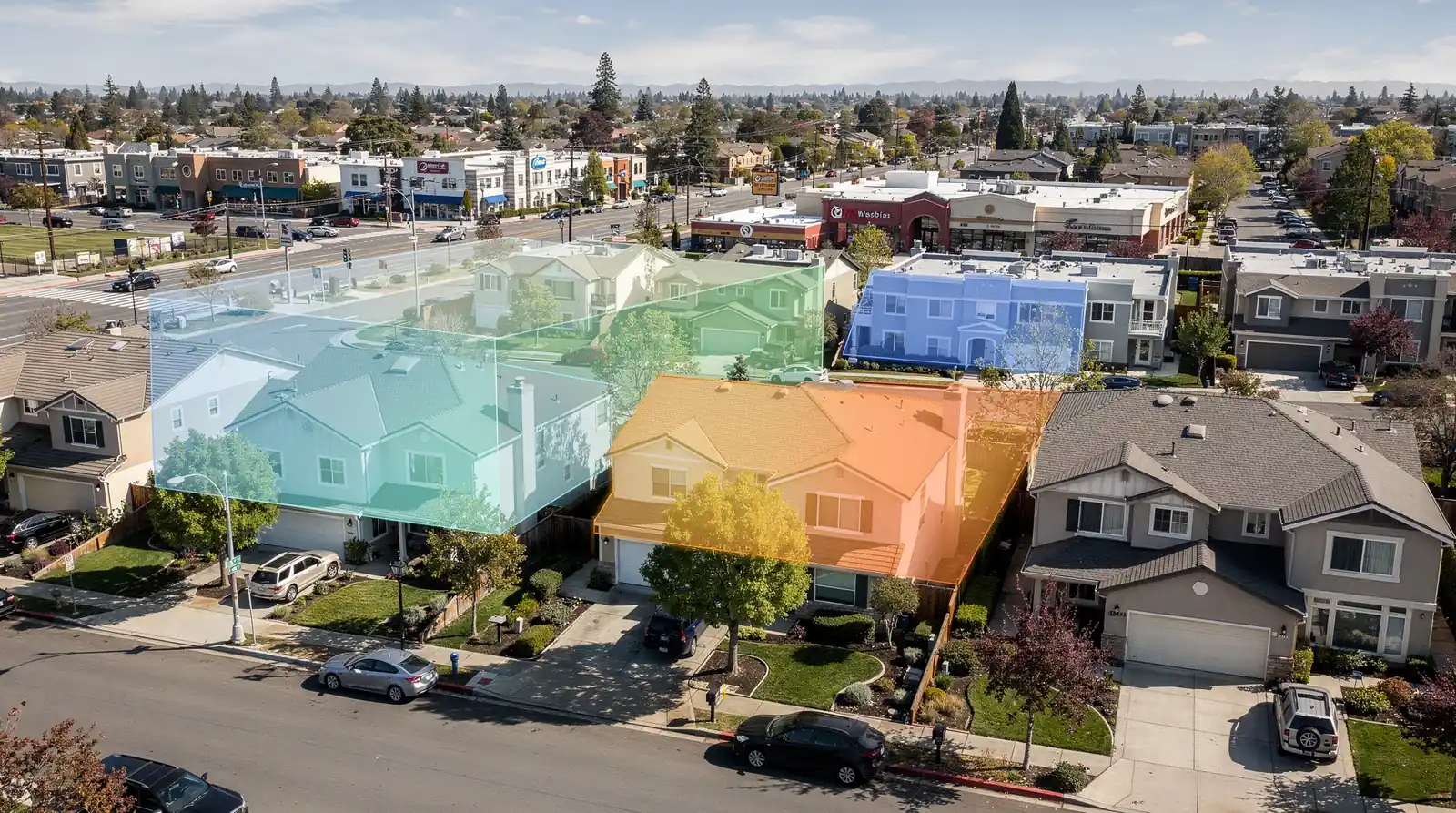
Walnut Creek’s zoning code sorts every parcel into a district that dictates what owners can build, expand, or finance. Single Family Residential designations such as R-8, R-10, and R-20 govern lot size, setbacks, and building height on standard home sites. Lenders reviewing a purchase in these districts check the designation before approving a loan. It confirms the home’s use matches local rules.
Zoning also keeps incompatible uses apart. Manufacturing and other higher-impact operations sit in separate districts from residential neighborhoods, a structure that shields home values near commercial corridors from noise, traffic, and industrial activity. This separation matters for appraisals: homes buffered from heavier commercial zones often hold steadier value over time.
How Does District Type Affect Loan Approval?
District type signals risk to underwriters. A property correctly zoned residential typically moves through approval faster than one near mixed-use or commercial boundaries. Appraisers dig deeper into comparable sales and future land-use plans.
Why Should Buyers Check Zoning Before Making an Offer?
Skipping this step risks discovering, post-contract, that a planned addition or rental conversion violates the lot’s district rules. Confirming the designation early prevents financing delays and protects long-term resale value.
Munshi Capital Inc. builds city-specific mortgage pages that pair local mortgage regulations with local lending rules and municipal mortgage guides, giving buyers loan programs, rates, and market insights matched to Walnut Creek’s zoning landscape. Coverage spans first-time homebuyers, seasoned investors, and business owners pursuing residential or commercial financing. Property owners weighing a sale in a shifting zoning corridor can request a direct cash offer. Those simply gauging current value can request your property assessment before listing or refinancing.

How Do Zoning Rules Affect Loan Approval?
Zoning classification determines whether a lender approves financing at all. Credit unions and mortgage lenders routinely confirm that a property’s zoning designation matches the intended use before closing. A Walnut Creek condominium zoned for multi-family residential use, for example, carries different loan terms than a parcel zoned for commercial retail. Skipping this check creates risk for both borrower and lender.
Local mortgage regulations work alongside zoning codes to protect loan proceeds from funding noncompliant construction. Verifying compliance before closing prevents borrowers from financing a build that violates Walnut Creek’s building codes. This step matters most for buyers eyeing older properties near downtown Walnut Creek, where lot configurations sometimes predate current code standards. A renovation or addition that ignores setback or height rules can stall a loan mid-process.
Why Does Zoning Matter for Mortgage Approval?
Zoning tells a lender what a property legally permits, not just what it currently contains. Mismatched use, such as a single-family home operating as a rental duplex without proper classification, raises red flags during underwriting. Lenders treat this verification as a core part of local lending rules governing risk assessment.
What Happens If Zoning Issues Surface Mid-Loan?
Issues do not automatically kill a loan, but they slow it down and invite additional scrutiny. Munshi Capital Inc. walks borrowers through application, underwriting, and closing with transparent communication, even when zoning questions emerge on a Walnut Creek property. That clarity, grounded in detailed municipal mortgage guides, helps buyers and investors avoid costly surprises:
- Confirm zoning classification before making an offer
- Request a title or zoning report early in underwriting
- Ask Munshi Capital Inc. to clarify how classification affects loan terms
Property owners weighing a sale amid zoning uncertainty can request a direct cash offer to sidestep financing delays entirely. Request your property assessment to understand current valuation under existing zoning.
Can Zoning Limit Housing Supply And Value?
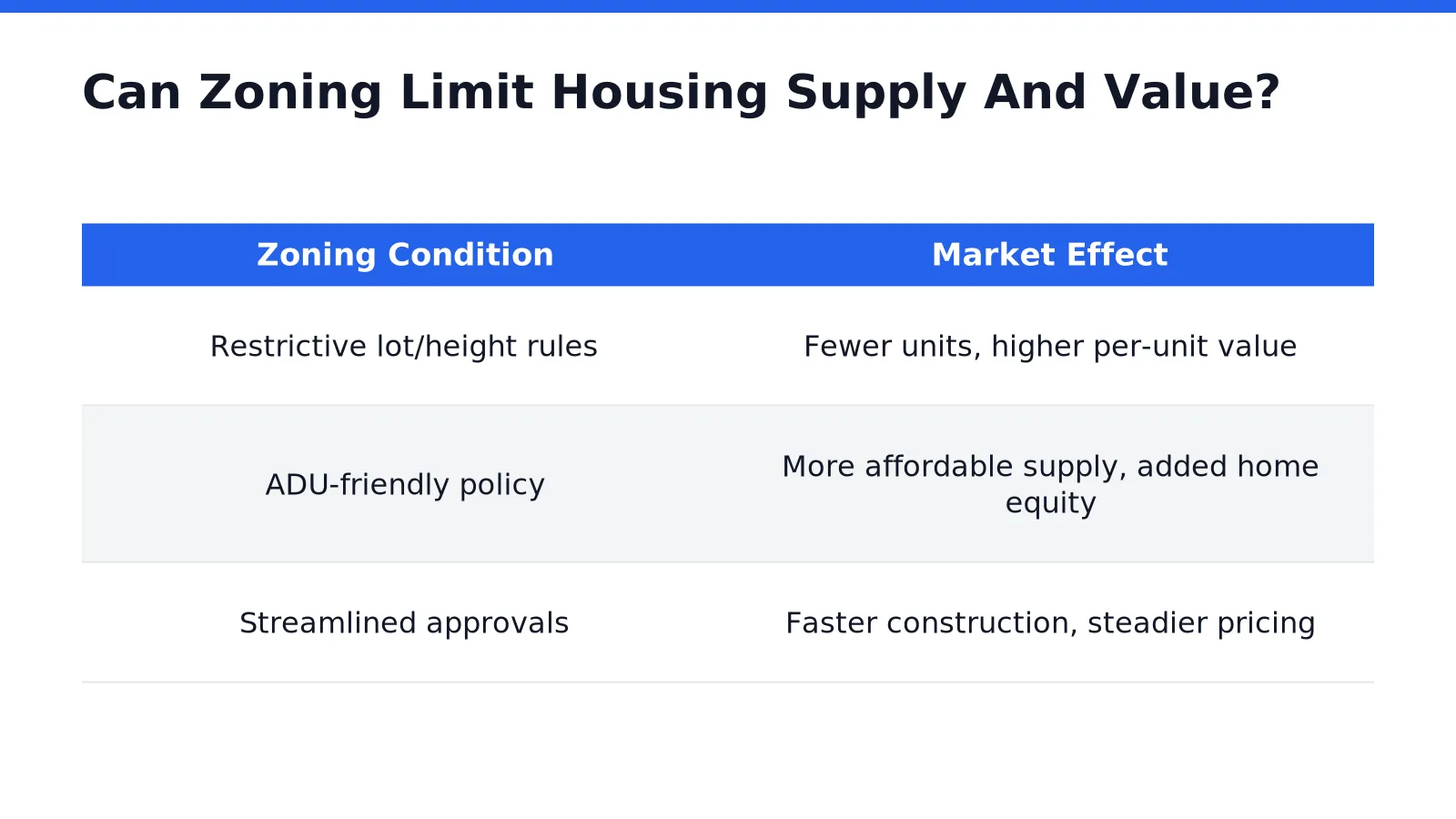
Yes. Zoning ordinances directly shape how much housing Walnut Creek can build, and that scarcity feeds straight into property values. Restrictive lot-size minimums, height caps, and parking mandates slow construction timelines and shrink the pool of buildable units. Flexible rules push supply upward and keep price growth in check.
Walnut Creek’s own housing record backs this up. Accessory dwelling units, known as ADUs, have become the city’s leading source of affordable housing in recent years. A homeowner who adds a legal ADU gains financeable square footage and rental income potential, both of which strengthen an appraisal.
How does zoning affect a mortgage application?
Lenders review local-mortgage-regulations-103 before approving financing. A property out of compliance with current zoning can complicate title, appraisal, or resale. Understanding local-lending-rules-103 early in the process prevents last-minute underwriting delays. Buyers who consult municipal-mortgage-guides-103 before making an offer avoid costly surprises after closing.
What loan options work best in zoning-constrained markets?
Munshi Capital Inc. structures financing for buyers and investors navigating tight zoning environments, including DSCR loans and hard money products built for supply-limited markets like Walnut Creek. These programs give investors flexibility when a property’s income potential, rather than a borrower’s W-2 history, drives the deal.
Property owners weighing a sale in this environment can request a direct cash offer. Those still assessing options can request your property assessment before committing to a financing path.
What Should Walnut Creek Borrowers Do Next?
Walnut Creek borrowers should pair local zoning research with a lender who understands how that research affects financing. Property records, parking requirements, and lot restrictions shape appraisal outcomes long before closing. Skipping that review risks delays, denied permits, or a loan structure that does not match the property’s actual use.
Munshi Capital Inc. pairs modern technology with hands-on loan specialists familiar with local requirements, keeping the process fast and transparent. That combination supports quick pre-approvals and gives Walnut Creek borrowers full visibility into loan status from application through closing. No guessing, no unexplained delays.
How does a loan specialist help with zoning questions?
A specialist reviews how a property’s zoning designation interacts with the chosen loan program before underwriting begins. This step catches mismatches early, rather than after an appraisal stalls a closing timeline.
What’s the fastest way to start the process?
Borrowers can complete a quick, secure application and share their goals directly with a Munshi Capital loan specialist. From there, the specialist helps identify which residential or commercial program fits the property and its zoning profile.
Next steps worth taking:
- Confirm the property’s zoning classification before signing a purchase agreement.
- Complete the secure application to connect with a specialist.
- Discuss residential or commercial program fit based on zoning and use.
Munshi Capital’s focus on integrity and personalized service has built trust among homebuyers. Investors nationwide, a standard Walnut Creek clients can expect as well.
FAQ
Why does zoning matter for mortgage approval in Walnut Creek?
Zoning determines what a property legally can become, and lenders only finance uses permitted by code. Munshi Capital Inc. guides borrowers through this due diligence with transparent communication from application through closing.
What do lenders check regarding zoning before closing?
Lenders confirm permitted land use, lot size and setback requirements, building height and bulk restrictions, and parking standards tied to the proposed use. This verification prevents stalled construction or denied permits after closing.
How does Munshi Capital Inc. help with zoning-restricted properties?
Munshi Capital Inc. offers FHA, VA, USDA, and bank statement loans tailored to each borrower’s financial picture, which matters when zoning limits standard financing paths. Their personalized guidance helps borrowers secure financing confidently in zoning-restricted markets like Walnut Creek.
Conclusion
In closing, zoning regulations fundamentally shape the mortgage landscape in Walnut Creek, influencing property valuations, development potential, and financing eligibility. Understanding these local requirements before pursuing financing ensures alignment between your investment objectives and available loan programs. Munshi Capital Inc. provides transparent guidance through this complex intersection, offering personalized solutions tailored to your specific property circumstances and financial profile. Our loan specialists work to clarify how zoning impacts your borrowing capacity. Timeline, delivering the clarity and dependable service necessary to move forward with confidence in your real estate endeavors.
Leave a Reply