
Down payments, rates, and loan types top borrower concerns, Munshi Capital Inc. answers these through FHA, VA, USDA, DSCR, and bank statement loan programs. Pre-approval timelines stay fast with transparent underwriting, giving first-time buyers and investors nationwide clear, honest answers at every step of financing.
Mortgage questions range from loan-type eligibility to down payment minimums, and Munshi Capital Inc. addresses them through dedicated loan programs including FHA, VA, USDA, DSCR, and bank statement options. First-time homebuyers and Northern California investors get program-specific answers matched to credit profile, property type, and income documentation before starting the application process.
Key Takeaways
- Munshi Capital Inc. offers FHA, VA, USDA, and bank statement loans tailored to your financial situation.
- Choose flexible payment schedules: monthly, biweekly, or twice-monthly autopay options fit your budget needs.
- Our loan specialists deliver quick pre-approvals with full transparency from application through closing process.
- Personalized guidance helps first-time homebuyers and seasoned investors secure the right financing confidently nationwide.
What Is a Mortgage, and How Does It Work?
A mortgage functions as a loan and a legally binding contract between a borrower and a lender. The arrangement sets strict terms for both sides, and understanding those terms protects buyers from costly missteps later. Skipping this step leaves many Walnut Creek buyers unprepared for closing conversations that move fast.
Signing the agreement carries real weight. The borrower promises to repay the full loan amount, on schedule, for the entire term. In exchange, the lender provides funds to purchase the property. The borrower also agrees to let the lender repossess the home if payments stop, which is why consistent, on-time payments matter from day one.
For investors evaluating multiple properties across Northern California, this reciprocal structure explains why lenders scrutinize income, credit, and reserves before approval. A mortgage is not simply borrowed money; it is a contract with consequences attached to default.
What happens if a borrower misses a mortgage payment?
Missing a payment puts the borrower in breach of the signed agreement. Lenders typically allow a grace period before penalties apply, but repeated missed payments can trigger default proceedings and eventual repossession.
Why does mortgage structure matter for first-time buyers?
First-time buyers often underestimate how binding a mortgage contract is. Recognizing the obligation upfront, rather than after closing, prevents financial strain and builds a realistic repayment plan.
This mortgage FAQ hub exists to walk Northern California buyers through exactly this kind of foundational question. Munshi Capital Inc. specializes in financing designed for first-time homebuyers and seasoned investors alike, offering direct mortgage questions and answers before any paperwork gets signed. Property sellers weighing their next move can also request a direct cash offer or request your property assessment to see how local market conditions shape their options, all part of a broader set of common mortgage FAQs worth reviewing early.
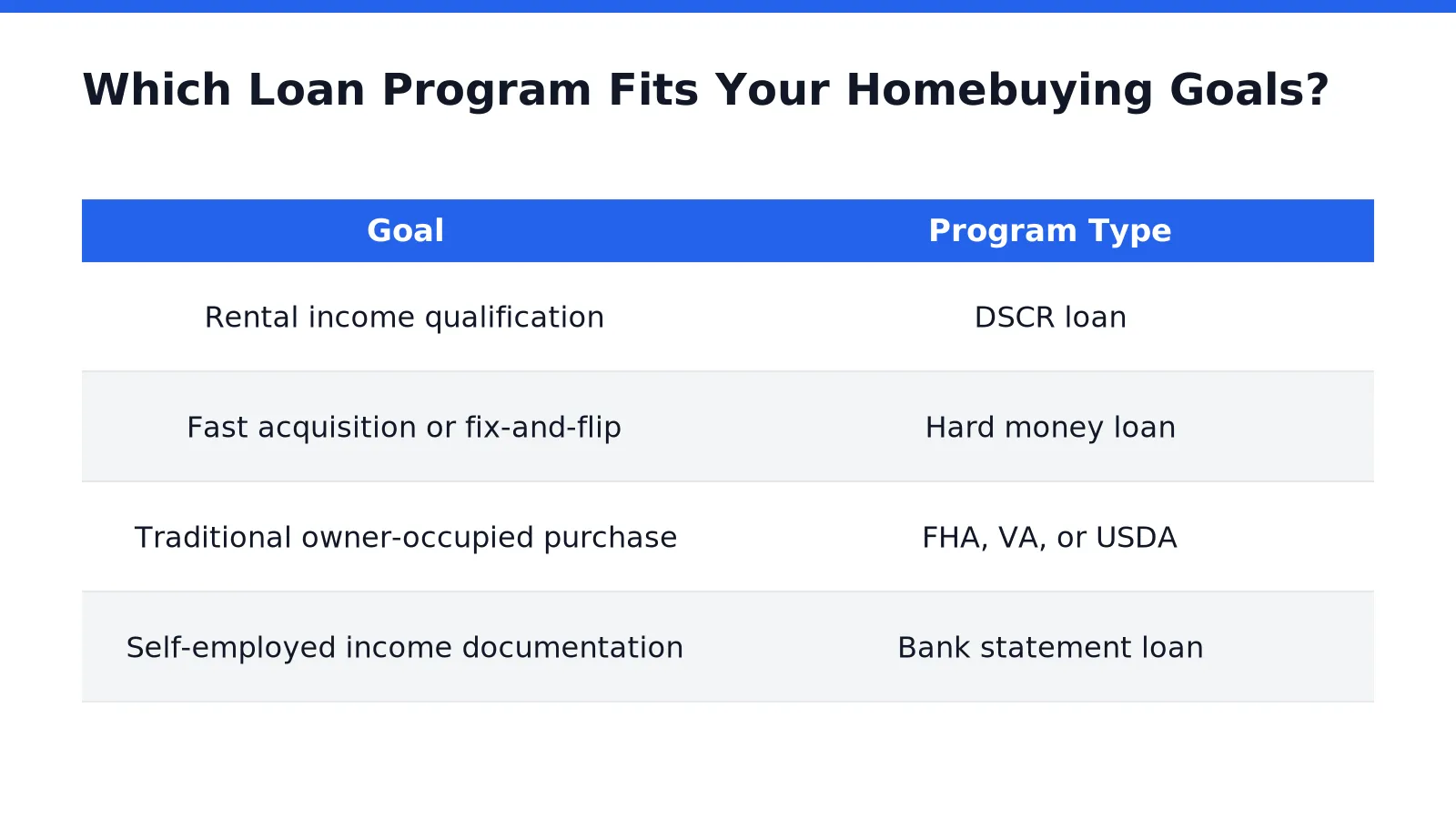
Which Loan Program Fits Your Homebuying Goals?
Loan program selection depends on borrower type, income documentation, and property purpose. Munshi Capital Inc. maintains a mortgage-faq-hub-033 of lending options built for distinct financial pictures, from a first-time buyer in Walnut Creek to a seasoned Northern California investor adding a fourth rental property. Matching goals to the right structure prevents wasted applications and delayed closings.
Residential buyers typically choose between government-backed and conventional paths. FHA, VA, and USDA programs sit alongside bank statement loans for borrowers with nontraditional income, such as self-employed professionals who cannot show standard W-2 documentation. This common-mortgage-faqs-033 concern, how to qualify without pay stubs, comes up constantly among contractors and small business owners across the East Bay.
Investors face a different set of priorities: cash flow, speed, and property performance.
What’s the difference between a DSCR loan and a conventional mortgage?
A DSCR loan qualifies borrowers using the property’s rental income rather than personal income documents. Conventional mortgages rely on the borrower’s personal tax returns, pay stubs, and debt-to-income ratio. Investors scaling a portfolio often favor DSCR structures because property cash flow, not personal earnings, drives approval.
Can first-time buyers and investors get guidance on the same platform?
Yes. Mortgage financing at Munshi Capital Inc. is built around each borrower, offering guidance through every loan program with clear answers and dependable service. A comprehensive mortgage-questions-answers-033 resource library supports both groups side by side. This range of products positions the company as a trusted choice for homebuyers and investors nationwide. Borrowers ready to move forward can request a direct cash offer. Sellers weighing options can request your property assessment to compare financing paths before committing.

How Does the Application and Closing Process Work?
Munshi Capital Inc. moves borrowers through three clear stages: application, underwriting, and closing. Each stage follows a defined path, with no hidden surprises buried in fine print. Northern California buyers researching a mortgage FAQ hub often expect confusion at this point. That expectation does not hold up here.
Clarity drives every step. Loan specialists explain each requirement before it becomes an obstacle, and honest communication replaces guesswork from start to finish. For move-up buyers in Walnut Creek juggling a sale. A purchase simultaneously, that steady guidance reduces the number of unanswered questions piling up mid-transaction.
Technology plays a direct role too. Modern systems paired with hands-on loan specialist service keep files moving without unnecessary delay. The result: faster pre-approvals and constant visibility into where a loan stands, at any point in the timeline.
What Happens Between Application and Closing Day?
Underwriting fills the gap. Documents get verified, income and assets get confirmed, and conditions get cleared one by one. Borrowers can track progress rather than wait in the dark, which matters most for investors coordinating multiple purchases at once.
Why Do Some Mortgage Timelines Drag On?
Delays usually stem from unclear communication, not loan complexity. A process built around transparency catches issues early instead of letting them surface at the closing table.
For sellers weighing a traditional listing against a faster path, requesting cash offer comparisons alongside financing options clarifies the full picture. Buyers ready to move forward can request a direct cash offer on a target property. Those still evaluating options should request your property assessment before committing to a loan program, timeline, or purchase price in today’s competitive Northern California market.

How Much Home Can You Really Afford?
Affordability math, not wish-list browsing, determines a realistic home search. Calculating a true budget before touring properties is an essential first step for buyers. Loan limits, down payment size, and monthly cash flow all shape what a lender will actually approve. Skipping this step leads to wasted weekends and heartbreak over houses that never fit the budget.
Buying a home ranks among the most significant financial decisions a household makes. Understanding the mortgage process is what separates confident buyers from frustrated ones. A clear grasp of loan terms, interest structure, and closing costs prevents costly surprises later. This is exactly the kind of groundwork a thorough mortgage FAQ hub addresses before an offer ever gets written.
What factors determine mortgage affordability?
Lenders weigh income stability, existing debt, credit profile, and down payment funds together, not in isolation. A strong paycheck does not guarantee approval if monthly debt obligations eat up too much of it. Reviewing these factors early, through solid mortgage questions and answers, helps buyers set a realistic price range instead of guessing.
Where can buyers find reliable answers to common mortgage questions?
Working through a resource built around common mortgage FAQs gives buyers a faster, clearer path than piecing together scattered search results. Personalized guidance from a loan specialist adds another layer of accuracy. Every borrower’s income situation, property type, and investment goals differ.
Munshi Capital Inc. provides that personalized guidance to borrowers nationwide, from first-time buyers to seasoned investors, helping each one secure financing suited to their actual numbers rather than a generic estimate. Buyers ready to see what their budget supports can request your property assessment before setting a final price range.
What Happens After Closing on Your Loan?
Closing day marks the start of loan servicing, not the end of the lending relationship. Borrowers in Walnut Creek and across Northern California gain tools to manage payments and track their account from day one. Missing this phase means losing visibility into escrow changes, payment timing, and account status that affect a household budget for years.
Payment flexibility stands out immediately after closing. Borrowers choose from monthly, biweekly, or twice-a-month payment schedules, with autopay available for each option. This flexibility matters for investors managing multiple properties and move-up buyers juggling a new mortgage alongside other obligations.
How Do Borrowers Track Their Loan After Closing?
Online account access answers this directly. Borrowers log in to view balances, confirm payment dates, and manage their loan status in a few simple steps, without phone calls or paperwork delays. This mortgage FAQ hub function keeps borrowers informed between statements, reducing surprises tied to escrow adjustments or payment posting.
Does Service Quality Change Once the Loan Closes?
No. The commitment to clarity and honest communication continues through the life of the loan, not just the application phase. A service-driven ethos guides every borrower interaction, positioning the lender as a reliable partner long after funding.
For buyers weighing a purchase, a solid mortgage questions and answers resource makes post-closing expectations clear before signing anything. Reviewing common mortgage FAQs in advance, covering payment schedules, account access, and servicing standards, helps Northern California buyers close with confidence instead of uncertainty about what comes next.
FAQ
What loan programs does Munshi Capital Inc. offer?
Munshi Capital Inc. offers FHA, VA, USDA, and bank statement loans, plus DSCR and hard money loans for investor-focused financing needs.
Conclusion
In closing, navigating mortgage financing requires clarity, expertise, and a lender committed to your success. Munshi Capital Inc. delivers precisely that foundation, transparent processes, personalized guidance, and loan solutions tailored to your unique financial circumstances. Whether you are a first-time homebuyer or an experienced investor, our comprehensive programs and dedicated specialists ensure you move forward with confidence and full visibility throughout your lending journey. Your financial goals deserve dependable service backed by integrity and industry expertise.
Leave a Reply